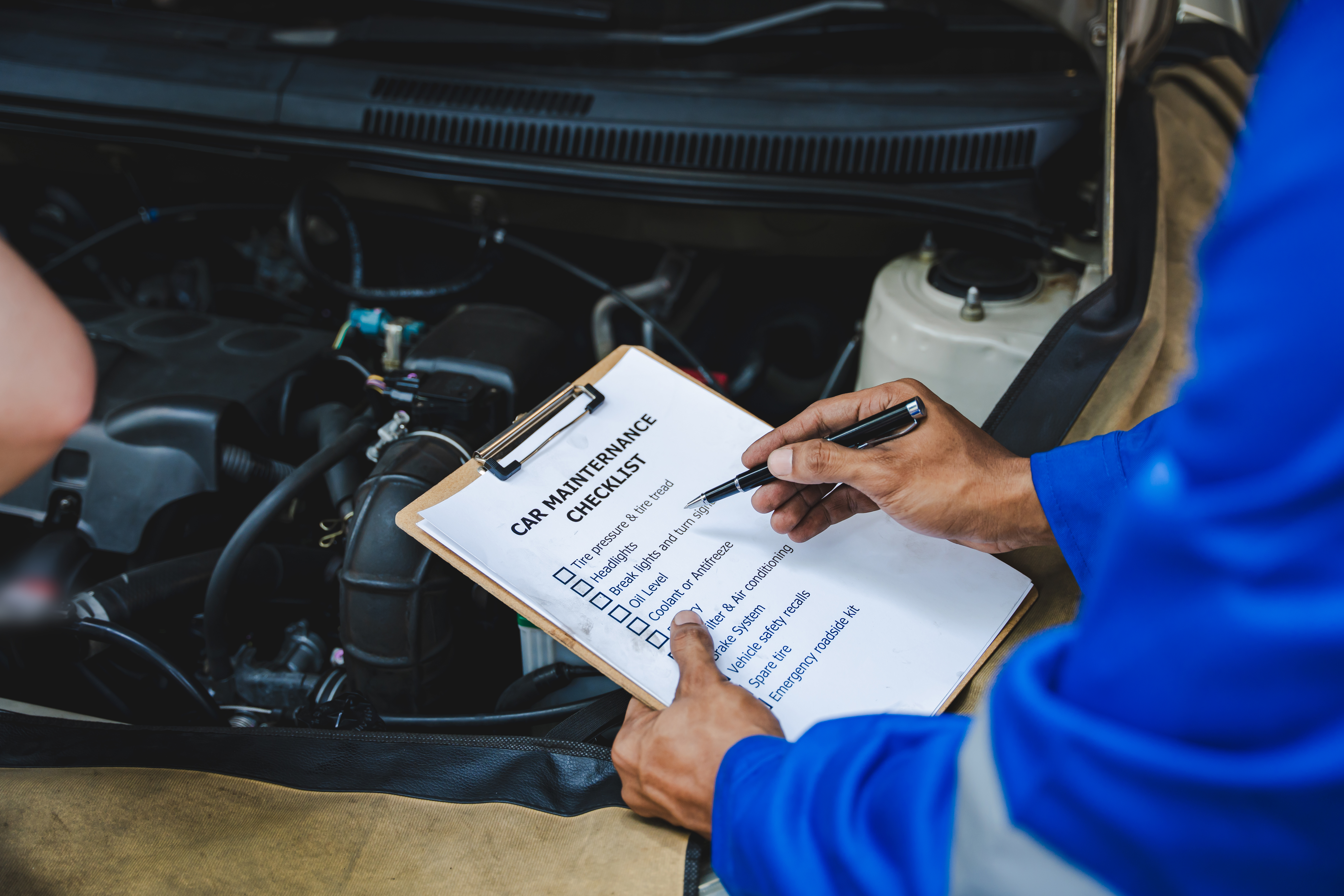
Winter Car Maintenance Checklist for Canal Fulton Drivers
Winter driving around Canal Fulton, OH can turn a normal commute into a lesson in traction, visibility, and preparedness. With freeze-thaw cycles, snow-packed roads, and those mornings when the thermometer seems to drop fast, your car needs more than “good luck.” This winter car maintenance Canal Fulton checklist is built to help you stay confident—whether you drive a used Cadillac for weekend comfort or a truck for work and errands.
Even if your vehicle is relatively new, cold-weather wear happens differently. Tire pressure changes, batteries lose strength, fluids thicken, and wiper performance can suffer. Use the steps below as a practical schedule, and you’ll reduce the odds of being surprised when roads are at their worst.
Battery Performance Check
Cold temperatures sap battery power, especially if your vehicle sits for longer stretches or you do lots of short trips. A quick look now can save you from slow starts later.
- Check battery condition: Look for corrosion around terminals and ensure the cables are tight and secure.
- Test battery health: If your car is acting sluggish or you’re not sure about the age, schedule a battery test before winter deepens.
- Confirm charging system: Make sure the alternator is charging properly so the battery can recover after driving in the cold.
- For used Cadillac comfort, don’t ignore parasitic drain: If you notice frequent “low voltage” warnings, have the electrical system checked rather than guessing.
Tire and Tread Inspection
Your tires do most of the heavy lifting in winter, and in Northeast Ohio, grip changes constantly as surfaces freeze, thaw, refreeze, and get slushy.
- Inspect tread depth: Make sure you have enough tread for wet snow and slush; worn tires can hydroplane on icy patches.
- Check sidewalls and wear pattern: Look for cracks, bulges, or uneven wear that can reduce traction when temps fall.
- Set correct tire pressure for winter: Cold air lowers pressure—check when tires are cool and adjust to the vehicle’s door-jamb spec.
- Consider Cadillac-specific traction needs: If you drive a used Cadillac with performance-focused tires, verify they’re winter-ready and not near the end of their life.
Fluid Level Maintenance
Winter turns “small” fluid issues into big headaches. Keeping fluids topped off and using the right products helps protect cooling, lubrication, and visibility systems.
- Check coolant/antifreeze level: Confirm it’s at the correct concentration to handle freezing temperatures.
- Inspect windshield washer fluid: Use winter-rated washer fluid so it won’t gel when temperatures drop.
- Verify brake fluid condition: Brake systems rely on proper fluid function; consider a fluid check if it’s due or you’ve noticed changes.
- Test power steering and transmission fluids when appropriate: If your Cadillac or other used vehicle is due for service intervals, follow the recommended schedule—cold drivability issues can be fluid-related.
Windshield Wipers and Visibility
Visibility isn’t just about being able to see—it’s also about being seen. Snow grime, road salt, and freezing rain can quickly reduce sightlines.
- Replace worn wiper blades: If streaking or skipping shows up, swap blades before the worst weather hits.
- Clean washer jets and glass: Blocked nozzles leave dry spots—wipe down the area and confirm the spray pattern is strong.
- Test defrost performance: Make sure the front vents blow warm air quickly and the windshield clears efficiently.
- For used Cadillac visibility, don’t forget the whole system: Inspect heating elements and ensure the defroster mode works correctly for faster clearing in freezing fog.
Emergency Kit Essentials
Even the best maintenance can’t prevent every winter surprise. An emergency kit helps you handle breakdowns, flat tires, or getting stuck while help is on the way.
- Pack warm clothing and blankets: Include gloves, a warm hat, and a blanket or sleeping bag for cold roadside waiting.
- Add traction and tools: Keep a shovel, ice scraper, and a bag of sand or traction mats to help with grip.
- Bring a reliable flashlight and power: A headlamp or flashlight plus spare batteries or a charged power bank can be a lifesaver.
- Include jumper cables or a jump starter: Cold starts are common—having a way to restart can prevent a tow.
Professional Winter Service Tips
If you’d rather not play guessing games, having your vehicle inspected at the right time is one of the smartest ways to protect your winter driving. At R21 Motorsports, we help drivers prepare their cars for the conditions we actually see in and around Canal Fulton, OH.
Because you’re driving a used vehicle—often with miles, prior ownership history, and maintenance records that vary—professional checks can catch issues before they become roadside problems. This is especially helpful for used Cadillac models, where cold-start behavior, tire wear, and electrical systems can be more noticeable when temperatures drop.
- Schedule a winter inspection: Have brakes, suspension components, belts/hoses, and undercarriage condition reviewed.
- Request a winter alignment check if needed: Uneven tire wear can steal traction fast; alignment helps keep tires gripping when roads get slick.
- Ask about cold-weather battery testing: A proper test can identify reduced capacity before you’re stuck after a cold night.
- Consider a service appointment early in the season: Book time while schedules are easier—book a service appointment and get ahead of winter stress.
- For truck-style winter needs: If your used vehicle is a workhorse that sees towing or heavier loads, review recommended maintenance intervals for winter durability.
When you’re ready to make sure everything checks out, R21 Motorsports can help you plan your next steps with service guidance that matches real winter driving. It’s a practical way to keep your car dependable through snow, freezing rain, and those morning temps that make even strong engines feel different.
Safety reminder: Slow down, increase following distance, and never rely on tires alone—if visibility drops or traction feels off, pull over safely and reassess before continuing.